
Top 9 Ancient Ruins That Will Transport You Back in Time
Step through the veil of centuries and walk where pharaohs, emperors, and ancient civilizations once thrived. There’s something uniquely profound about standing amidst the weathered stones of an ancient ruin, feeling the echoes of history whisper tales of bygone eras. These sites are not just piles of old rocks; they are monuments to human ingenuity, belief, and endurance, offering an unparalleled opportunity to connect with our shared past.
If you’re a history buff, an adventurous traveler, or simply someone seeking a deeper understanding of the world, visiting ancient ruins is an experience unlike any other. Get ready to embark on a journey that will not only take you across continents but also back through millennia!
Why Visit Ancient Ruins?
- Immersive History Lessons: Far more engaging than any textbook, these sites bring history to life.
- Architectural Marvels: Witness incredible engineering and artistic achievements without modern tools.
- Cultural Connection: Gain insight into the daily lives, beliefs, and societal structures of ancient peoples.
- Spiritual & Philosophical Reflection: Contemplate the rise and fall of empires, the cycles of life, and humanity’s enduring legacy.
- Breathtaking Photography Opportunities: Capture the majestic beauty and dramatic landscapes that frame these historical treasures.
Our Top 9 Ancient Ruins That Will Transport You Back in Time
1. The Roman Forum & Colosseum, Rome, Italy
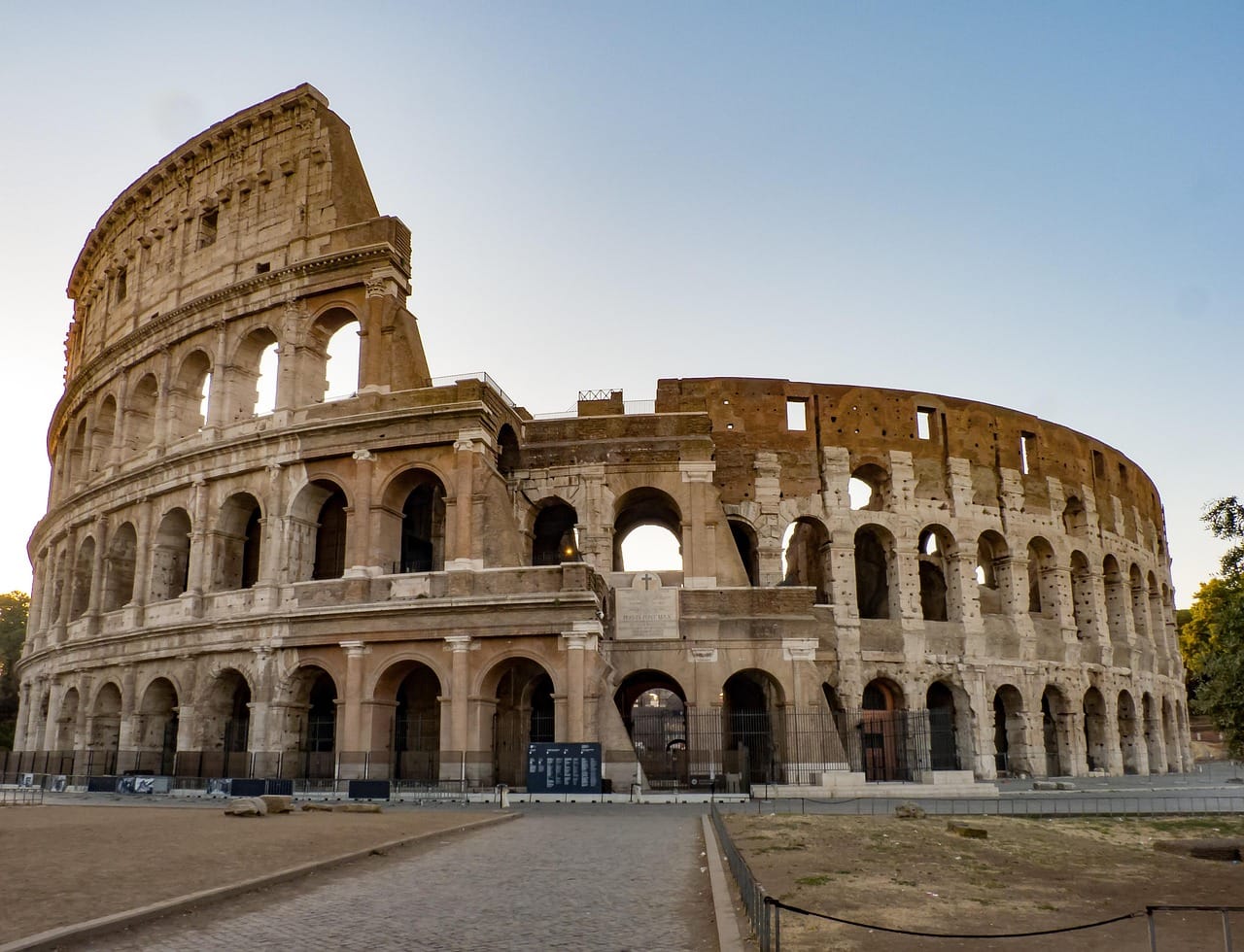
Imagine the roar of gladiatorial combat, the impassioned speeches of senators, and the bustling marketplace of a thriving empire. The Roman Forum, once the heart of ancient Rome, is a sprawling archaeological complex of ruins, temples, and basilicas. Adjacent to it, the majestic Colosseum stands as a testament to Roman engineering and the grandeur (and brutality) of their entertainment. Walking through these ruins, you can almost hear the echoes of 2,000 years of history.
Travel Tips for Rome:
- Book Tickets in Advance: Colosseum and Forum tickets sell out fast. Purchase online to save time.
- Combined Ticket: A single ticket often grants access to the Colosseum, Roman Forum, and Palatine Hill.
- Wear Comfortable Shoes: You’ll be doing a lot of walking over uneven terrain.
- Guided Tour: Consider a knowledgeable guide to truly appreciate the historical significance of each structure.
- Visit Early or Late: Beat the mid-day crowds and heat, especially in summer.
2. Pyramids of Giza, Cairo, Egypt
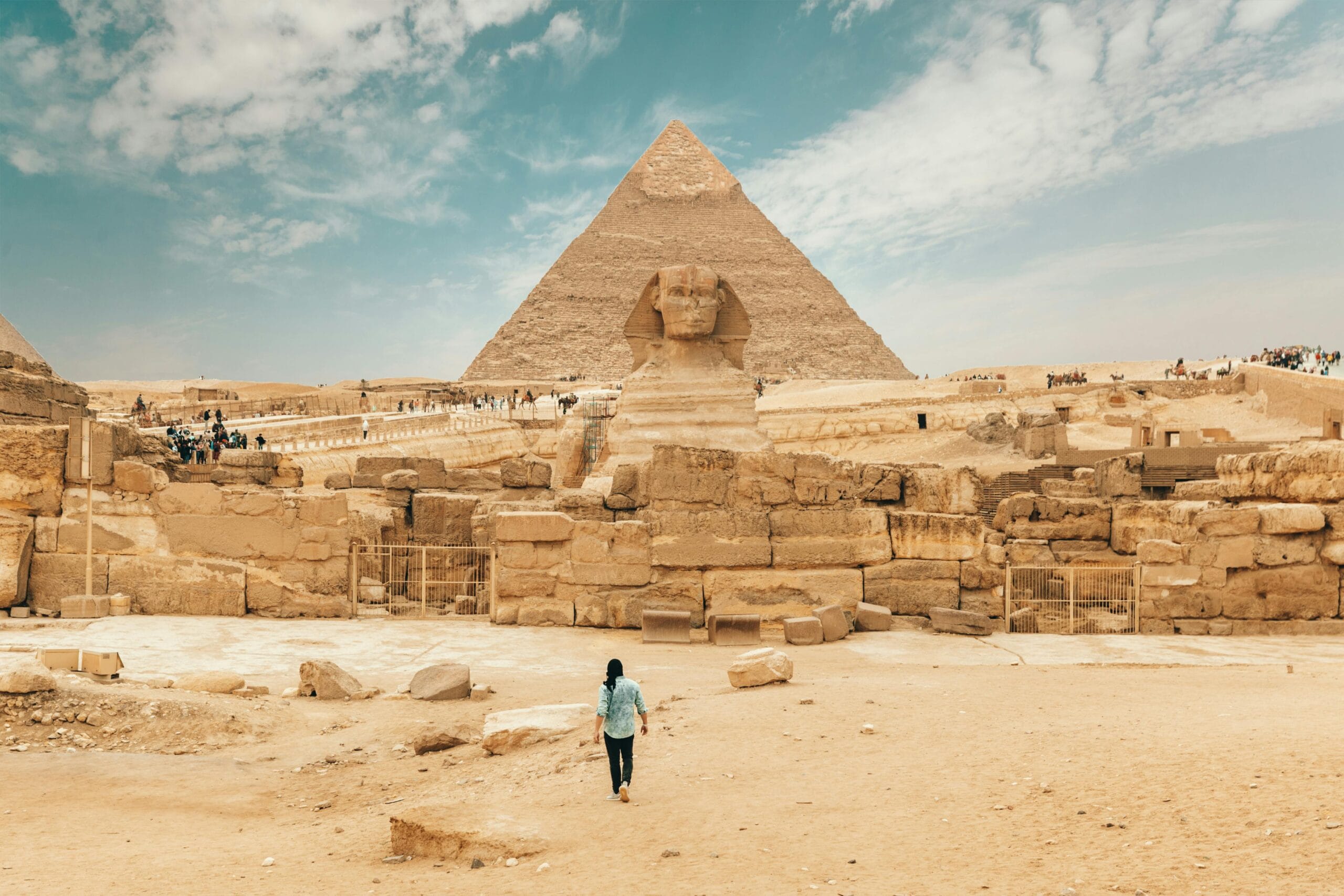
Standing stoic and magnificent on the Giza plateau, the Pyramids of Khufu, Khafre, and Menkaure, guarded by the enigmatic Sphinx, are the last remaining wonders of the ancient world. Built over 4,500 years ago as tombs for pharaohs, these monumental structures are a profound testament to ancient Egyptian architectural prowess, astronomical knowledge, and deep spiritual beliefs. Their sheer scale is utterly humbling and inspiring.
Travel Tips for Giza:
- Hire a Reputable Guide: A local Egyptologist can bring the history of the pyramids and pharaohs to life.
- Sun Protection is Key: Bring a hat, sunscreen, and plenty of water, as there’s little shade.
- Camel Ride: Consider a short camel ride for iconic photos and a unique perspective, but negotiate the price beforehand.
- Dress Modestly: While not strictly enforced for tourists, respectful attire is always appreciated.
- Enter a Pyramid: For an extra fee, you can venture inside one of the pyramids for a unique, albeit claustrophobic, experience.
3. Acropolis of Athens, Greece
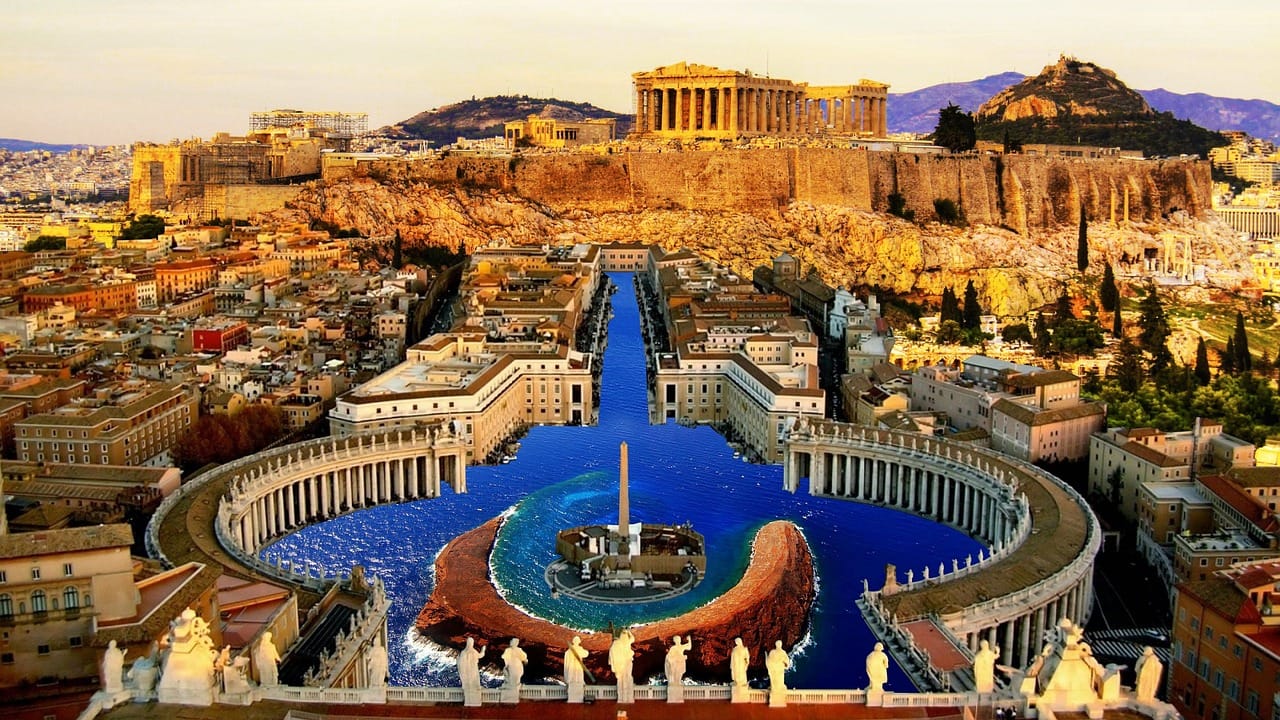
Perched majestically above the modern city, the Acropolis is the enduring symbol of ancient Greece and the birthplace of democracy. Dominated by the stunning Parthenon, a temple dedicated to the goddess Athena, this sacred rock also hosts the Erechtheion, Propylaea, and the Temple of Athena Nike. Exploring the Acropolis offers a breathtaking view of Athens and a tangible connection to the philosophers, artists, and leaders who shaped Western civilization.
Travel Tips for Athens:
- Start Early: Beat the heat and the crowds, especially during peak season.
- Sturdy Footwear: The marble paths can be slippery.
- Visit the Acropolis Museum: Located at the base, it houses most of the original artifacts from the Acropolis, offering crucial context.
- Hydrate: Carry water, as there are limited facilities on the top.
- Sunset Views: While crowded, witnessing the sunset from the Acropolis or the nearby Philopappos Hill is unforgettable.
4. Machu Picchu, Cusco Region, Peru
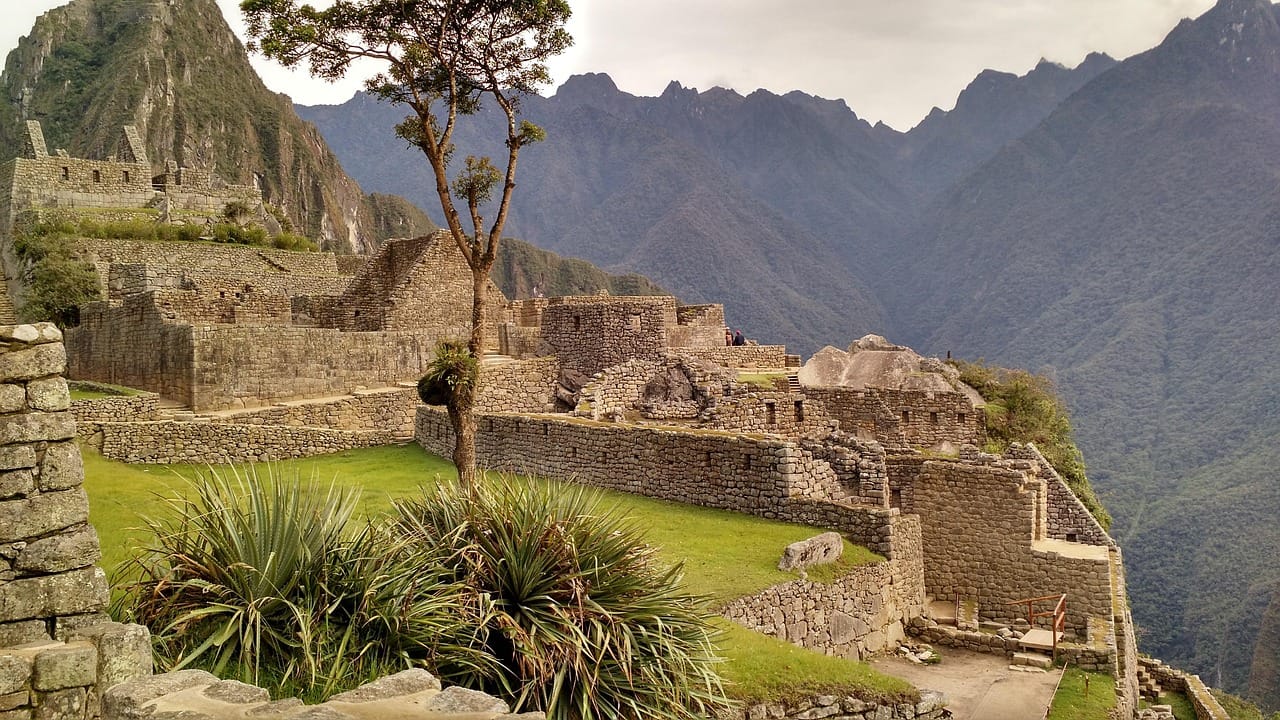
Lost to the world for centuries, the “Lost City of the Incas” is a breathtaking citadel nestled high in the Andean mountains. Machu Picchu’s precise stonework, sophisticated terracing, and mystical atmosphere make it one of the most incredible archaeological sites on Earth. The panoramic views, surrounded by lush cloud forest, create an unforgettable sense of awe and wonder. It’s a testament to the Inca Empire’s architectural genius and spiritual connection to nature.
Travel Tips for Machu Picchu:
- Book in Advance: Entry permits are limited, especially for the Inca Trail and Huayna Picchu/Machu Picchu Mountain.
- Acclimatize to Altitude: Spend a few days in Cusco (11,000 ft) before ascending to Machu Picchu (8,000 ft).
- Bring Layers: Weather can change rapidly, from sunny to rainy to cool.
- Wear Hiking Boots: Essential for navigating the ancient steps and trails.
- Respect the Site: Follow all rules regarding no littering, no touching stones, and staying on marked paths.
5. Angkor Wat, Siem Reap, Cambodia
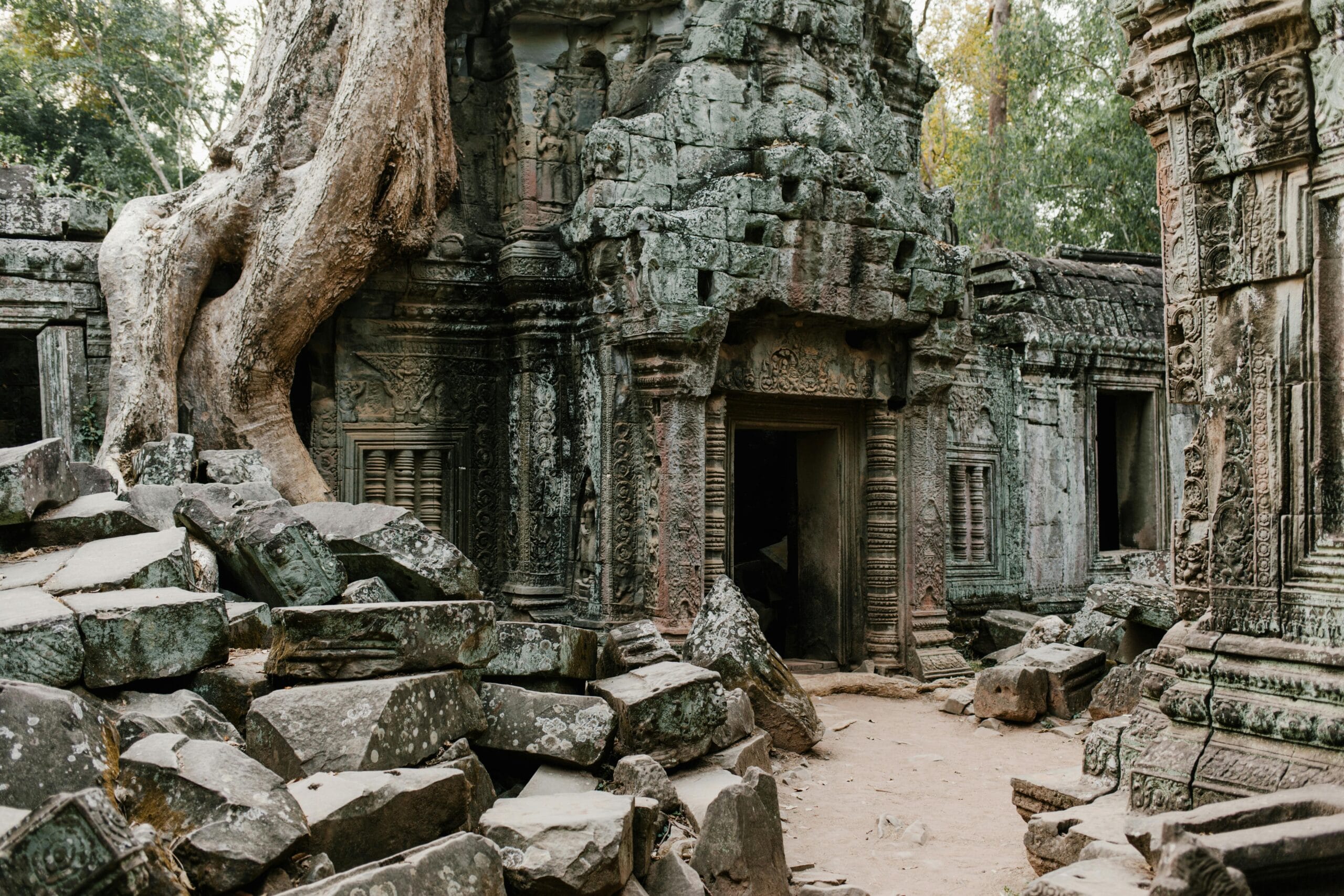
A sprawling temple complex that served as the capital of the Khmer Empire, Angkor Wat is the largest religious monument in the world. Its intricate bas-reliefs, towering spires, and stunning reflections in the surrounding moats are a mesmerizing sight, especially at sunrise. This UNESCO World Heritage site is a profound expression of Khmer art, architecture, and religious devotion, showcasing Hindu and later Buddhist influences.
Travel Tips for Angkor Wat:
- Sunrise is a Must: Be prepared for crowds, but the experience is worth it.
- Multi-Day Pass: A single day is not enough to explore the entire complex. Consider a 3-day pass.
- Hire a Tuk-Tuk Driver: They are readily available in Siem Reap and can navigate the temples efficiently.
- Dress Code: Shoulders and knees must be covered, especially when entering temples.
- Stay Hydrated: The heat and humidity can be intense.
6. Petra, Ma’an Governorate, Jordan
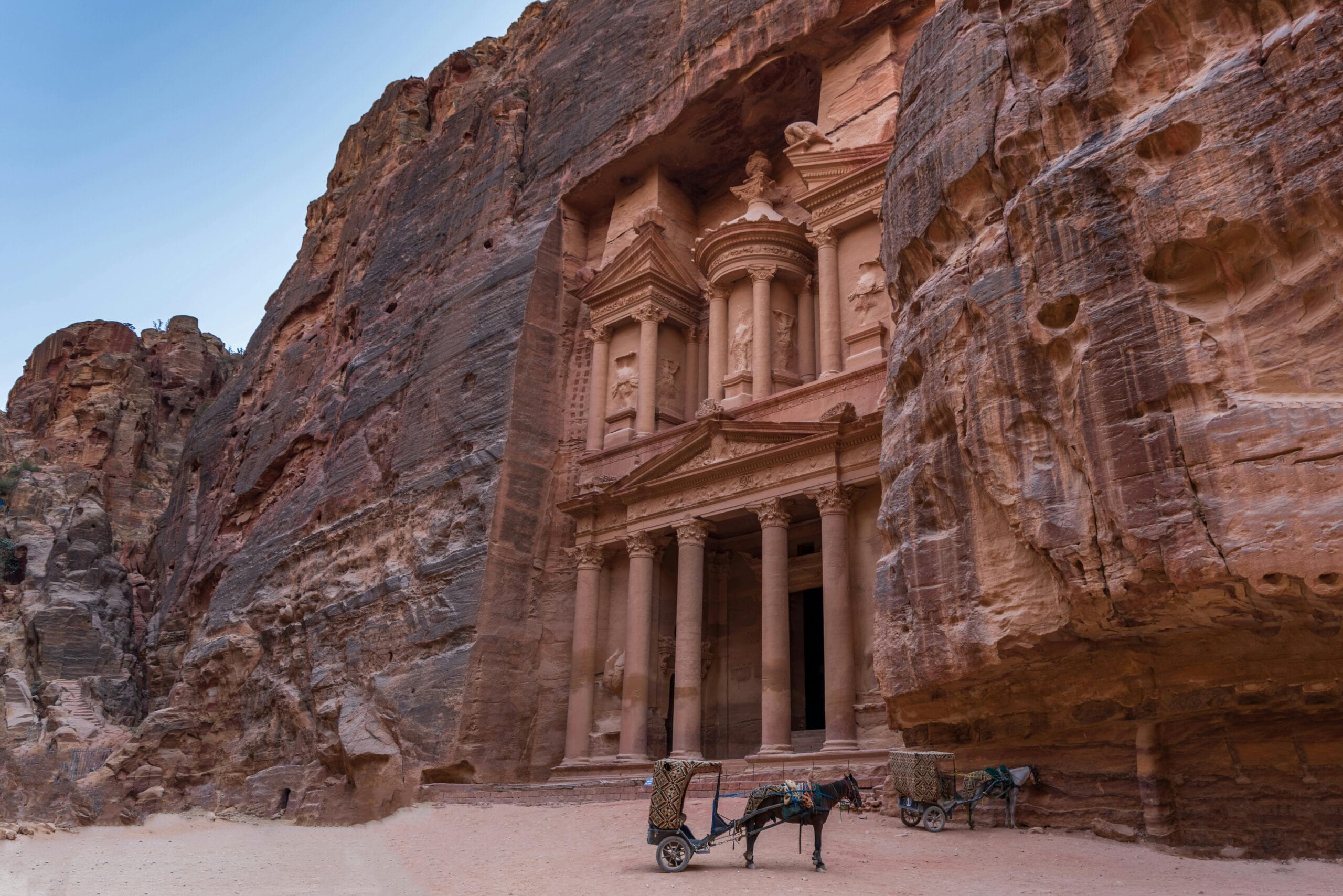
Carved directly into vibrant rose-red sandstone cliffs, Petra, the “Rose City,” is an archaeological marvel and a testament to the Nabataean Kingdom. Accessible through the narrow, dramatic Siq canyon, its most iconic structure, Al-Khazneh (The Treasury), appears suddenly, leaving visitors speechless. Beyond the Treasury, a vast city of tombs, temples, and an amphitheater awaits exploration, revealing the ingenuity of this ancient trading hub.
Travel Tips for Petra:
- Wear Sturdy Shoes: You’ll be walking many miles over uneven and sandy terrain.
- Arrive Early: To avoid the hottest part of the day and experience the Siq and Treasury with fewer people.
- Petra By Night: If available, experience The Treasury lit by hundreds of candles – truly magical.
- Don’t Miss Other Sites: Beyond the Treasury, hike up to the Monastery or the High Place of Sacrifice for incredible views.
- Stay Hydrated: Bring plenty of water. Local vendors sell refreshments, but prices can be higher.
7. Chichen Itza, Yucatán Peninsula, Mexico
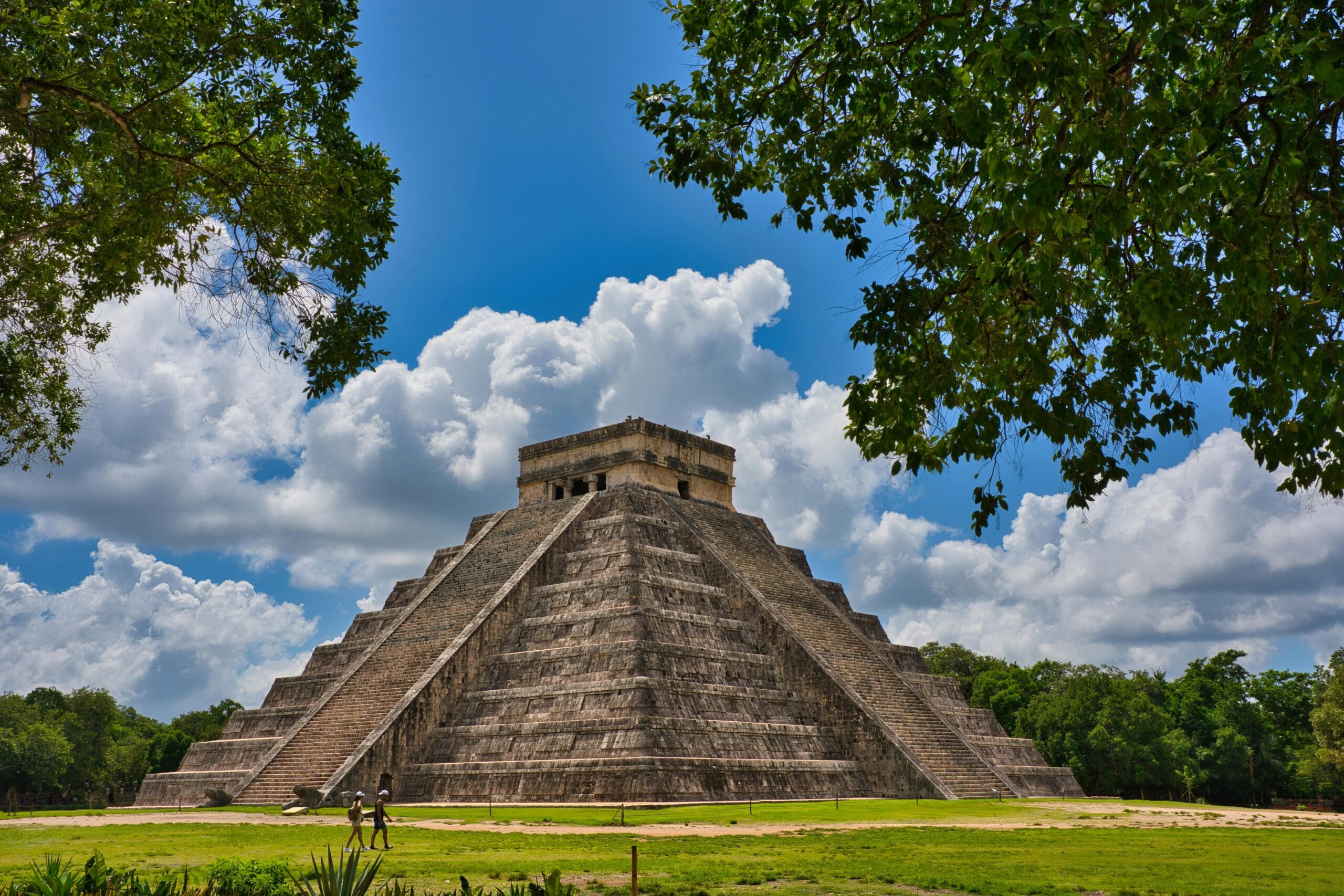
A grand archaeological site of the Mayan civilization, Chichen Itza is dominated by the magnificent El Castillo (The Kukulcan Pyramid). This UNESCO World Heritage site showcases the astronomical precision and architectural sophistication of the Maya, particularly visible during the equinoxes when shadows create the illusion of a serpent slithering down the pyramid steps. Explore the Great Ballcourt, the Temple of the Warriors, and the sacred cenote for a deep dive into Mayan culture.
Travel Tips for Chichen Itza:
- Go Early: Beat the tour buses arriving from Cancun and the intense midday heat.
- Guided Tour: A guide provides invaluable insight into Mayan astronomy, religion, and daily life.
- Sun Protection: Hat, sunscreen, and sunglasses are essential.
- Bring Cash: For souvenirs, snacks, and entrance fees if not pre-booked.
- Visit a Nearby Cenote: Cool off in one of the Yucatán’s stunning natural sinkholes after your exploration.
8. Ephesus, Izmir Province, Turkey
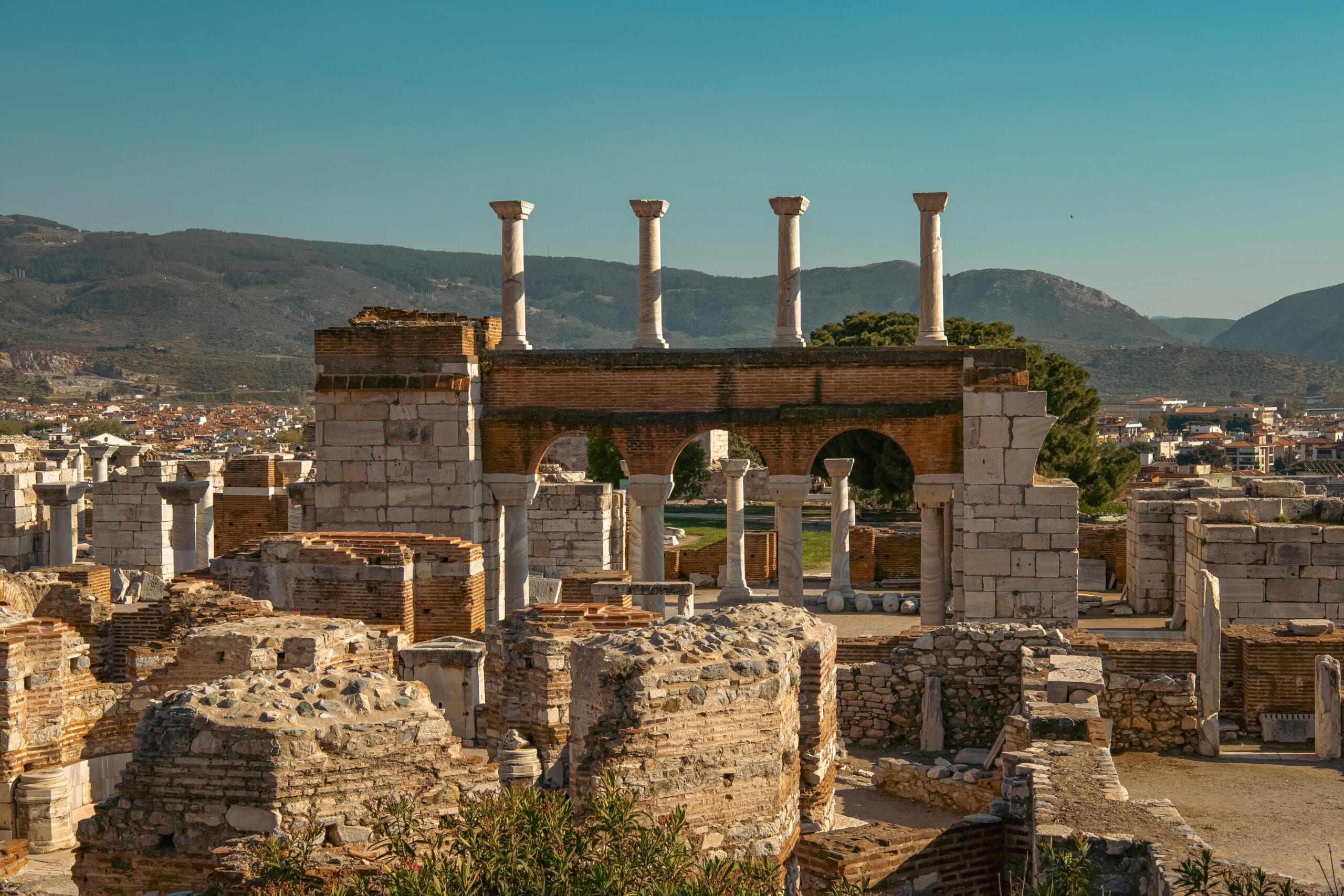
Once a bustling port city and one of the greatest ancient cities in the Mediterranean, Ephesus offers a remarkably preserved glimpse into Greco-Roman life. Wander through marble streets, marvel at the grandeur of the Library of Celsus, envision plays performed in the Great Theater (which could seat 25,000 spectators), and admire the Terrace Houses with their exquisite frescoes. Ephesus truly feels like stepping onto a movie set from antiquity.
Travel Tips for Ephesus:
- Wear Comfortable Shoes: The site is extensive, with many uphill and downhill sections.
- Hydrate and Protect from Sun: There’s limited shade, so carry water, a hat, and sunscreen.
- Hire a Local Guide: Their knowledge vastly enriches the experience, especially for understanding the intricate details of Roman life.
- Don’t Skip the Terrace Houses: An additional fee gives you access to incredibly well-preserved Roman homes with stunning mosaics and frescoes.
- Visit in Spring or Fall: To avoid the intense summer heat and large crowds from cruise ships.
9. Stonehenge, Wiltshire, England
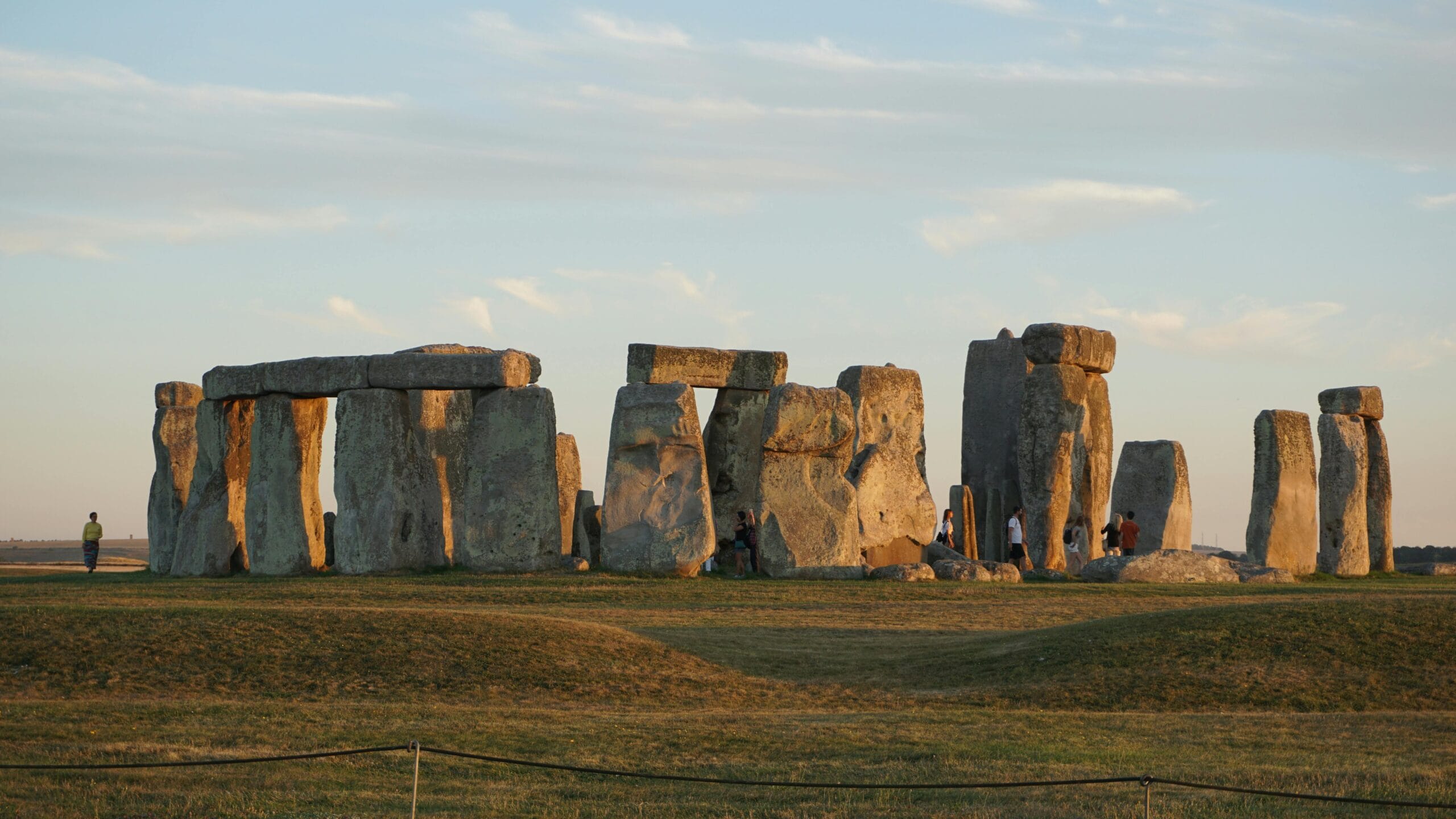
Shrouded in mystery and awe, Stonehenge is a prehistoric monument of massive sarsen and bluestones arranged in a circular formation. Built over several stages between 3000 BC and 1500 BC, its true purpose remains a subject of intense debate – a temple, an astronomical calendar, or a burial ground. Regardless, standing before these ancient stones, perfectly aligned with the solstices, evokes a profound sense of connection to our distant ancestors and their incredible ingenuity.
Travel Tips for Stonehenge:
- Book Tickets Online: Essential, especially during peak season, to guarantee entry and a time slot.
- Use the Audio Guide: It provides excellent context and theories about the monument.
- Dress for British Weather: Even in summer, it can be windy and rainy. Layers are recommended.
- Consider a Special Access Tour: For a more intimate experience, some tours allow you to walk inside the stone circle before or after public hours (book far in advance).
- Visit Nearby Sites: Combine with a trip to Avebury stone circle or the historic city of Salisbury.
General Travel Tips for Ancient Sites
- Respect the Heritage: These are irreplaceable historical sites. Follow all rules, don’t climb on structures, and leave no trace.
- Stay Hydrated: Many sites are outdoors with little shade. Always carry water.
- Wear Comfortable Footwear: Expect uneven terrain, dust, and lots of walking.
- Sun Protection: Hats, sunglasses, and sunscreen are your best friends.
- Hire a Licensed Guide: While guidebooks are helpful, a local expert can provide incredible insights and context.
- Pack Snacks: Food options might be limited or overpriced at remote sites.
- Charge Your Devices: You’ll want to take plenty of photos!
- Check Local Regulations: Some sites have specific dress codes or restrictions on what you can bring.
- Travel Insurance: Always a good idea when venturing to foreign lands.
Conclusion
From the sun-baked deserts of Egypt to the mist-shrouded peaks of Peru, these ancient ruins offer more than just a sightseeing opportunity. They are portals to the past, inviting us to contemplate the enduring spirit of humanity and the incredible legacies left by civilizations long gone. Each stone, each carving, each crumbling wall has a story to tell, waiting for you to listen.
So, which ancient wonder will be your first stop on your journey back in time? Pack your bags, prepare your mind for wonder, and get ready to be transported!