
Top 12 Fjords That Will Take Your Breath Away: Your Ultimate Guide to Nature’s Masterpieces
Imagine towering cliffs plunging into crystalline waters, dramatic waterfalls cascading hundreds of meters, and untouched wilderness stretching as far as the eye can see. Welcome to the world of fjords – nature’s most spectacular geological formations. These ancient glacial valleys, carved by ice and flooded by the sea, offer a profound sense of awe and adventure. If you’re yearning for a landscape that truly takes your breath away, look no further. We’ve curated a list of the top 12 fjords that promise unforgettable experiences.
What Makes Fjords So Special?
Fjords are often mistaken for regular inlets or bays, but their origins are far more dramatic. Formed over millions of years by colossal glaciers, they are characterized by their extreme depth, steep U-shaped valleys, and sheer rock walls that rise majestically from the water. These unique environments are not only geological wonders but also biodiversity hotspots, often home to unique flora and fauna, and offer some of the most stunning panoramic views on Earth.
The Top 12 Fjords You Must See
1. Geirangerfjord, Norway
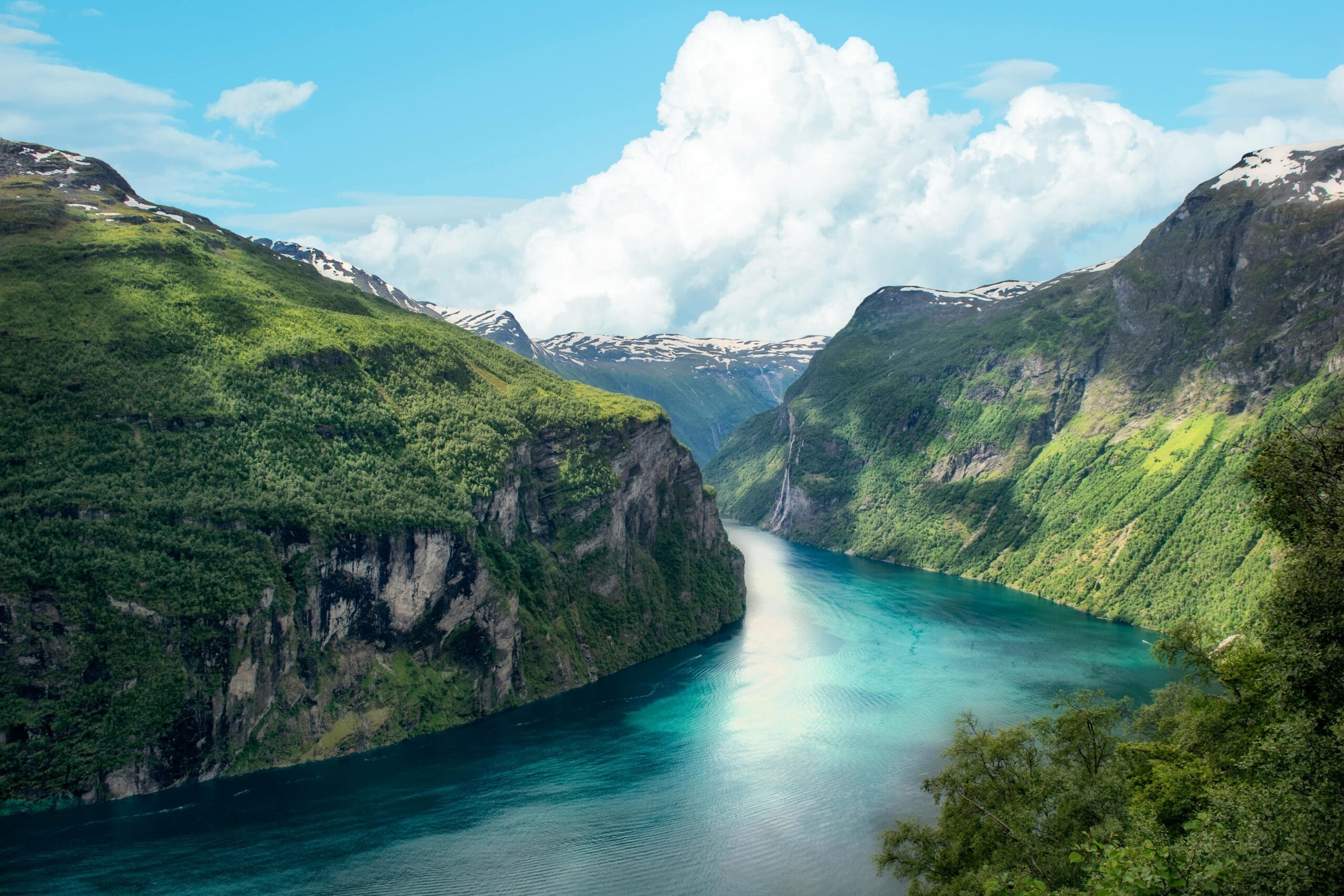
A UNESCO World Heritage site and arguably Norway’s most iconic fjord, Geirangerfjord is a symphony of natural beauty. It’s famous for its dramatic waterfalls, including the “Seven Sisters,” “Bridal Veil,” and “Suitor,” which plunge directly into its deep blue waters. The fjord is surrounded by abandoned mountain farms clinging precariously to the hillsides, adding a touch of human history to the wild landscape.
2. Nærøyfjord, Norway
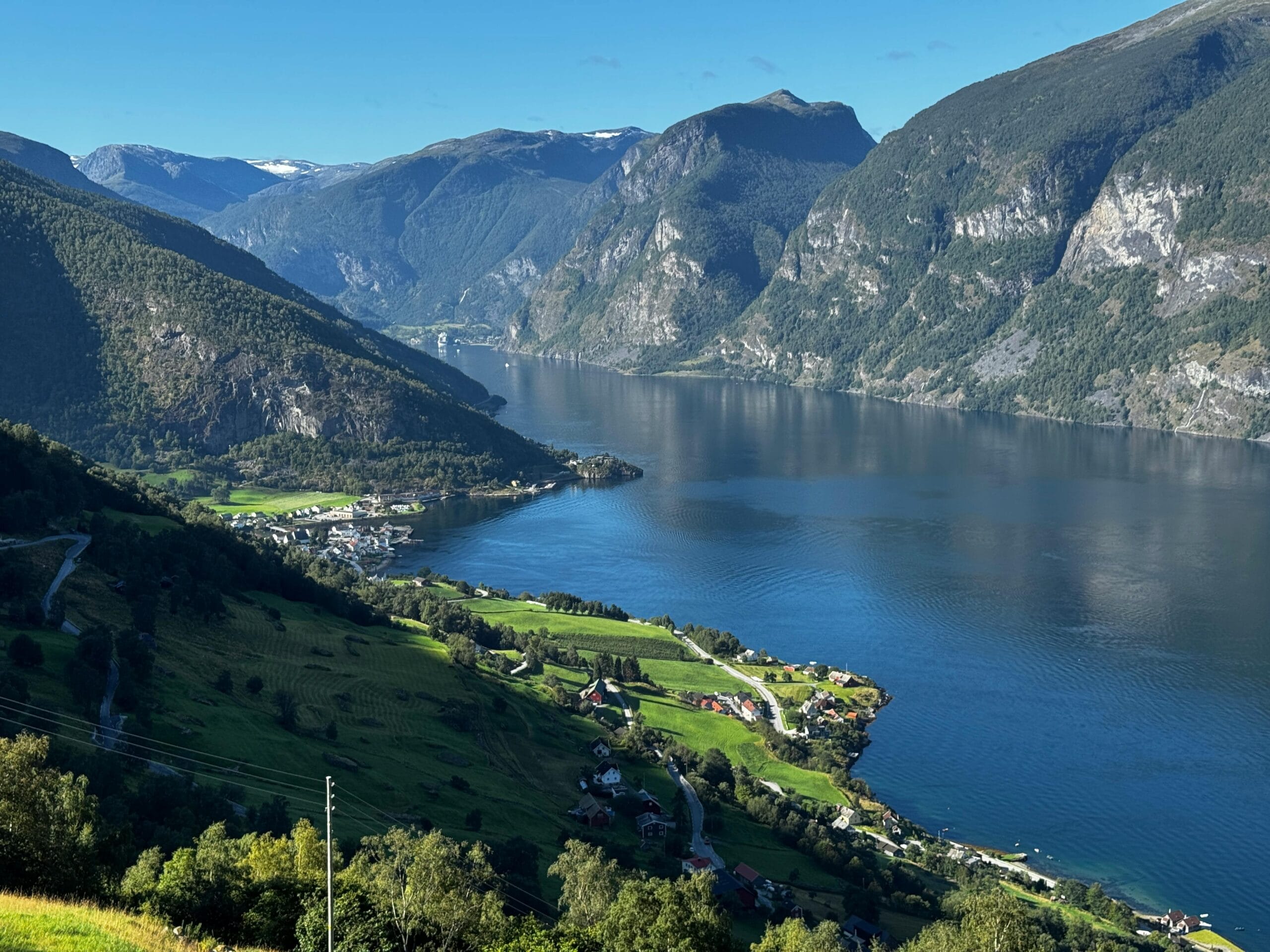
Another UNESCO site and an arm of the mighty Sognefjord, Nærøyfjord holds the title of one of the narrowest fjords in the world, in places only 250 meters wide. Flanked by mountains soaring up to 1,700 meters, its dramatic scale creates an intimate, almost cathedral-like atmosphere. The lush green slopes, tiny farms, and charming villages like Gudvangen and Flåm add to its idyllic charm.
3. Sognefjord, Norway
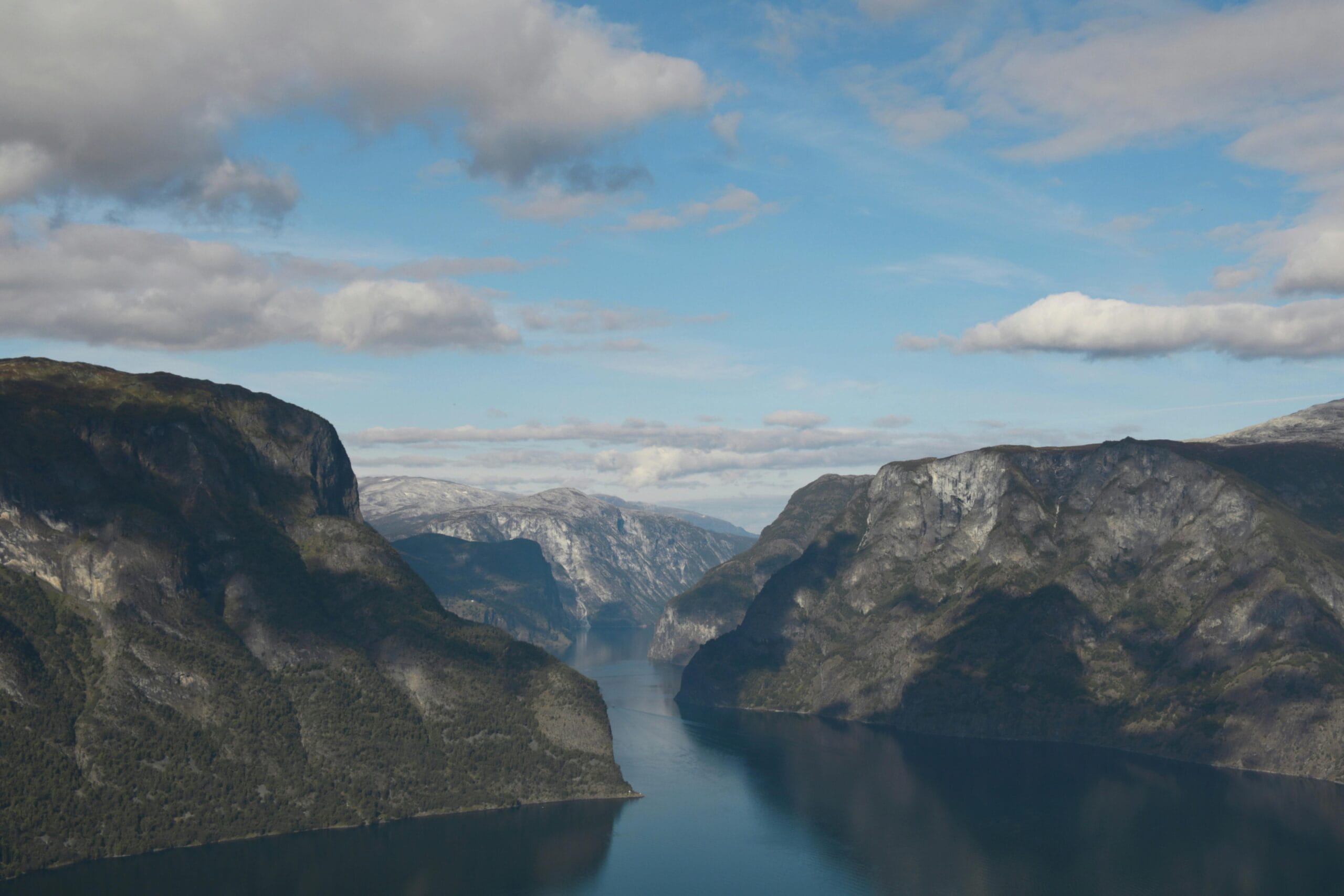
Known as the “King of the Fjords,” Sognefjord is Norway’s longest and deepest fjord, stretching over 200 kilometers inland and reaching depths of more than 1,300 meters. Its sheer size is overwhelming, but it’s its diverse branches (like the Nærøyfjord mentioned above, and Aurlandsfjord) that truly showcase its grandeur. From rugged cliffs to serene orchards, Sognefjord offers a microcosm of Norwegian nature and culture.
4. Lysefjord, Norway
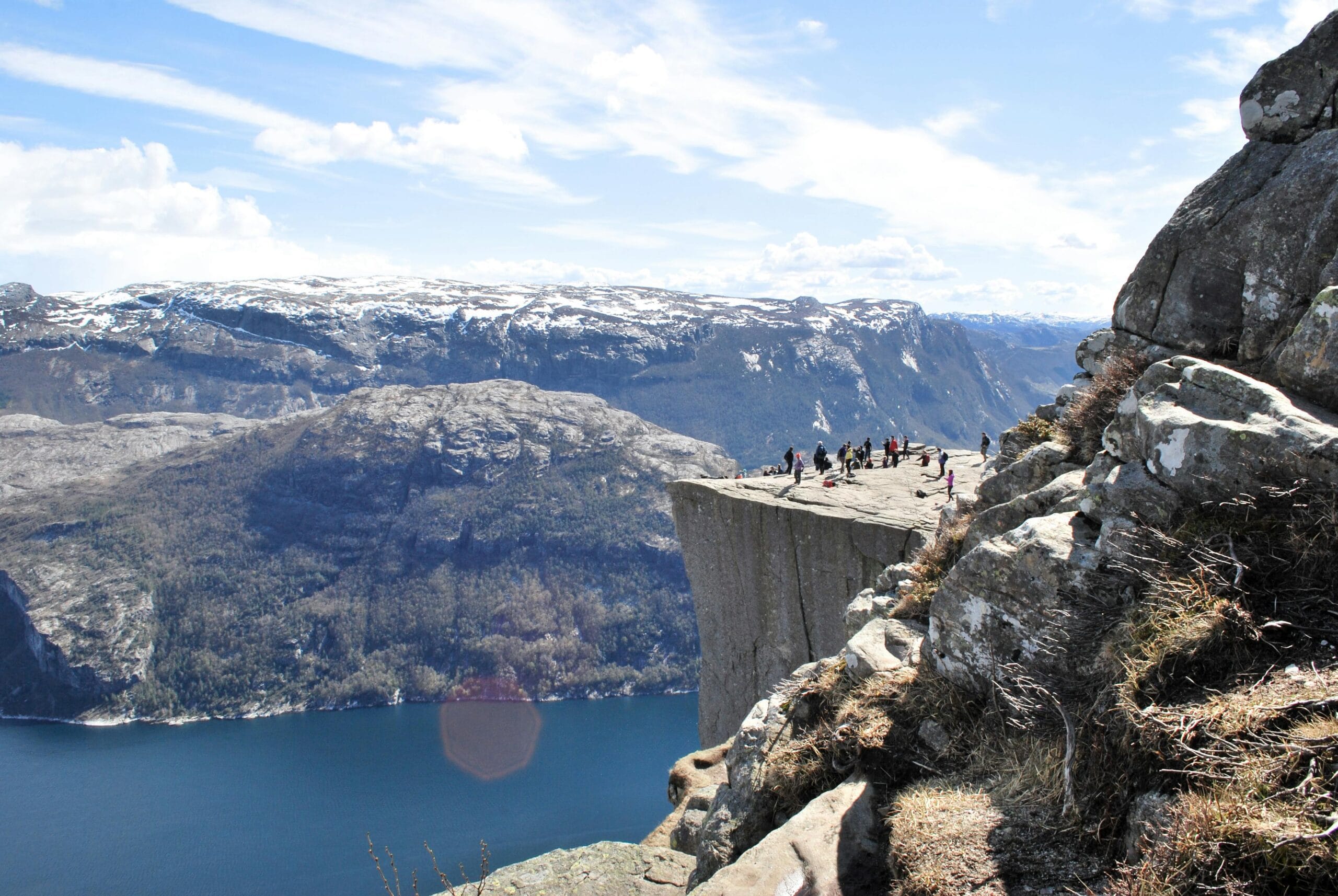
Situated in the Ryfylke region, Lysefjord is famed for its iconic natural landmarks rather than its waterfalls. It’s home to Preikestolen (Pulpit Rock), a flat-topped cliff soaring 604 meters above the fjord, and Kjeragbolten, a giant boulder wedged precariously in a mountain crevice 984 meters up. These geological marvels make it a pilgrimage site for hikers and adventurers.
5. Milford Sound, New Zealand
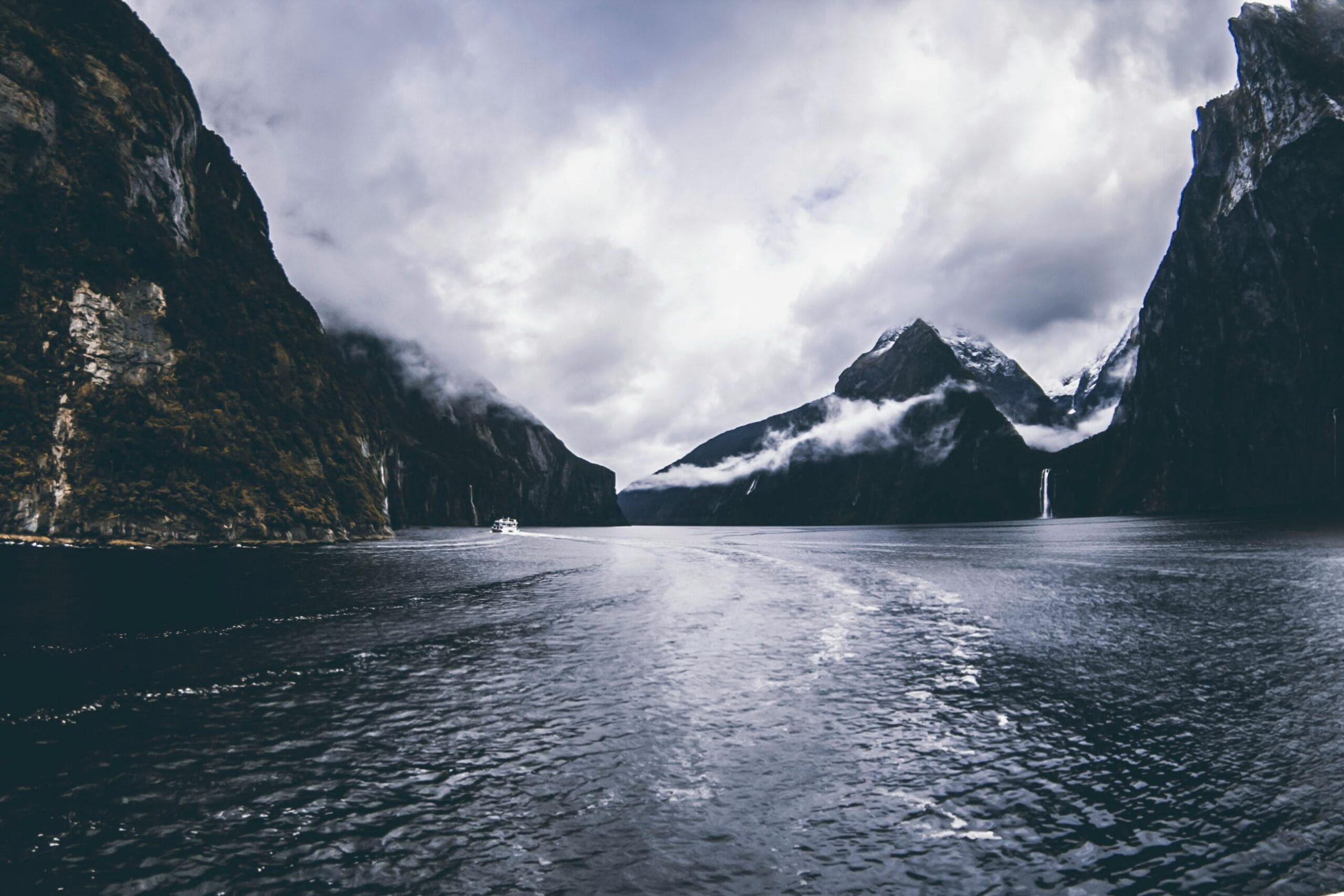
Hailed by Rudyard Kipling as the “eighth wonder of the world,” Milford Sound (technically a fiord, as per local spelling) in Fiordland National Park is a jewel of New Zealand’s South Island. Its dramatic rainforest-clad mountains, such as Mitre Peak, rise vertically from the inky waters, while countless waterfalls tumble down, especially after rain. Keep an eye out for seals, dolphins, and penguins!
6. Doubtful Sound, New Zealand
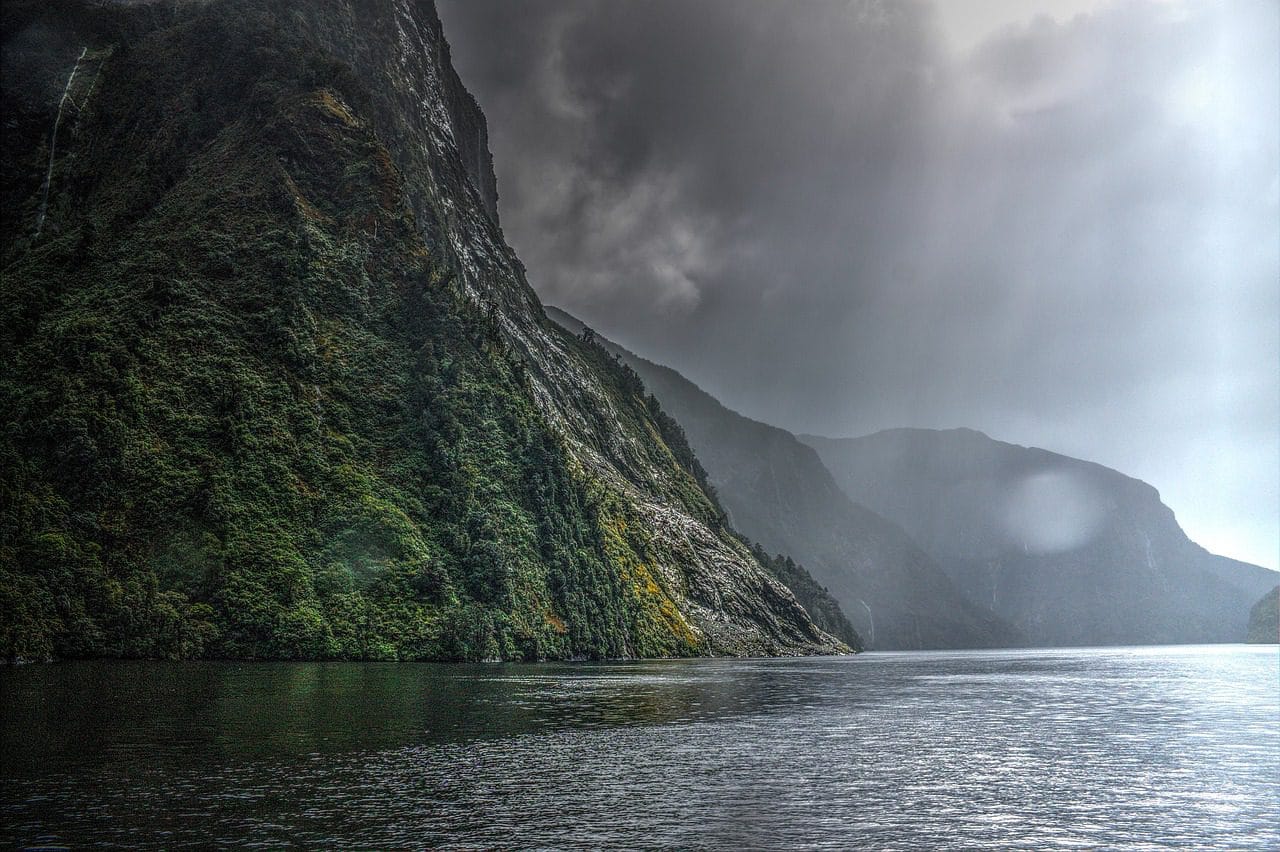
Larger and even more remote than Milford Sound, Doubtful Sound offers a wilder, more serene experience. With its multiple arms and islands, it’s often described as a place of profound silence and untamed beauty. Its vastness and sense of isolation are truly captivating, especially during its famous “sound of silence” moments when boat engines are turned off.
7. Scoresby Sund, Greenland
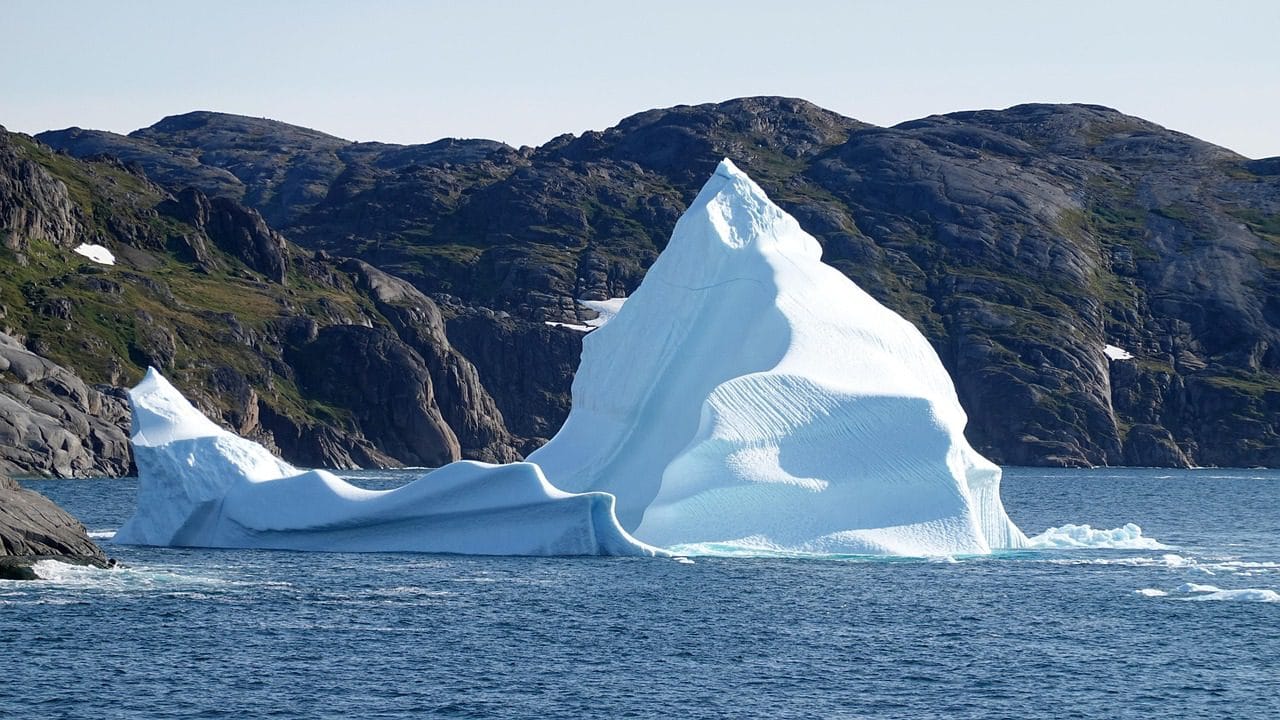
The largest and longest fjord system in the world, Scoresby Sund in East Greenland is a truly epic Arctic wilderness. It’s an otherworldly landscape dominated by colossal icebergs, some towering hundreds of meters high, calved from massive glaciers. The sheer scale and untouched nature of this fjord, combined with the chance to spot Arctic wildlife like musk oxen and polar bears, make it an unforgettable expedition.
8. Ilulissat Icefjord, Greenland
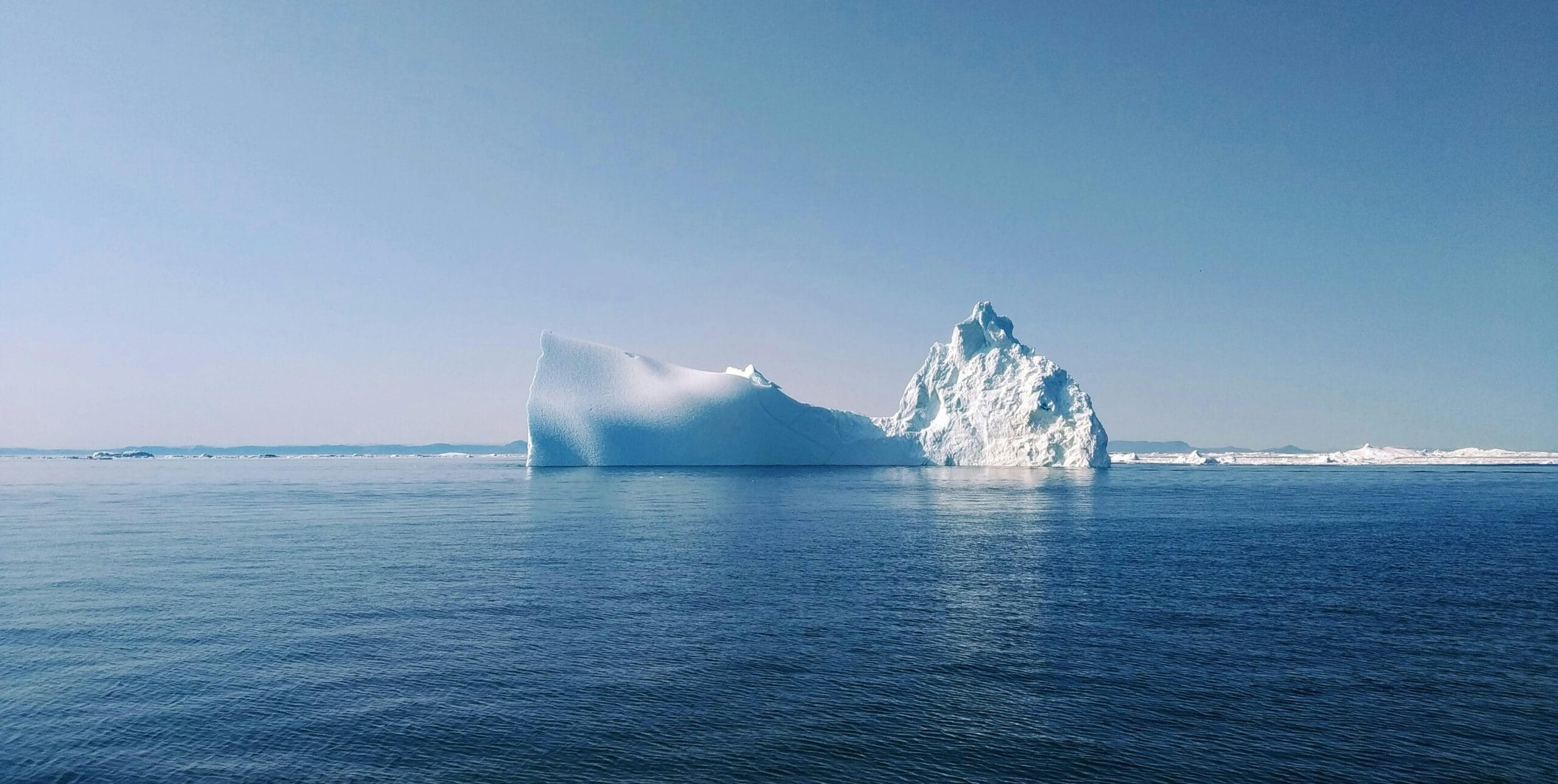
Another UNESCO World Heritage site, the Ilulissat Icefjord is a spectacle of unparalleled scale, where the Sermeq Kujalleq glacier (one of the fastest and most active glaciers in the world) calves an astounding 20 billion tonnes of icebergs into the fjord each year. These colossal ice sculptures then drift slowly out to sea, creating an ever-changing landscape of blues, whites, and greys.
9. Svalbard Fjords, Norway
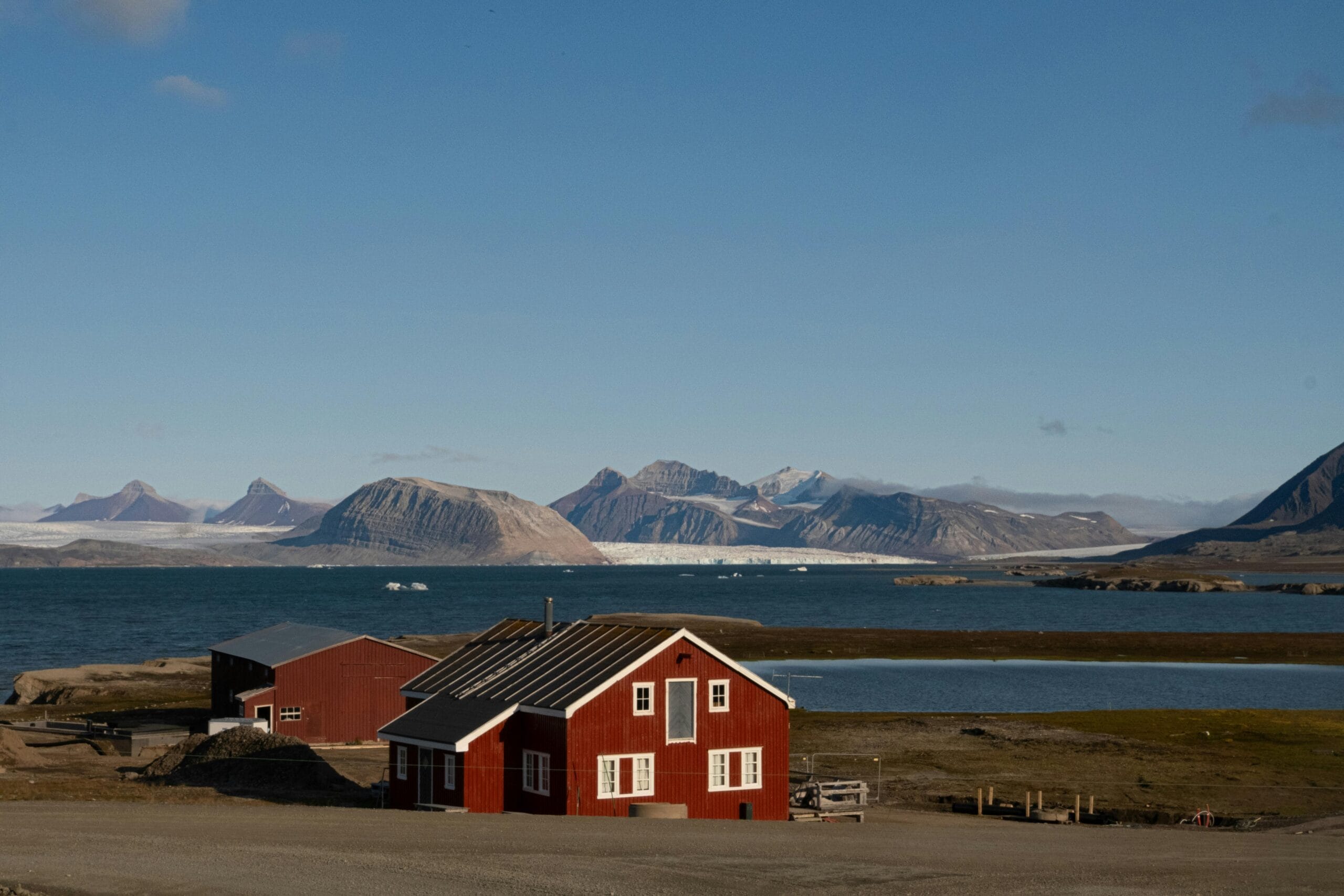
Venturing deep into the Arctic, the fjords of Svalbard offer a glimpse into a truly wild frontier. These icy waterways are framed by jagged, snow-capped mountains and serve as vital habitats for polar bears, walruses, seals, and a myriad of Arctic birds. Cruising through these fjords provides an incredible opportunity for wildlife viewing in a breathtaking, untamed environment.
10. Trollfjord, Norway
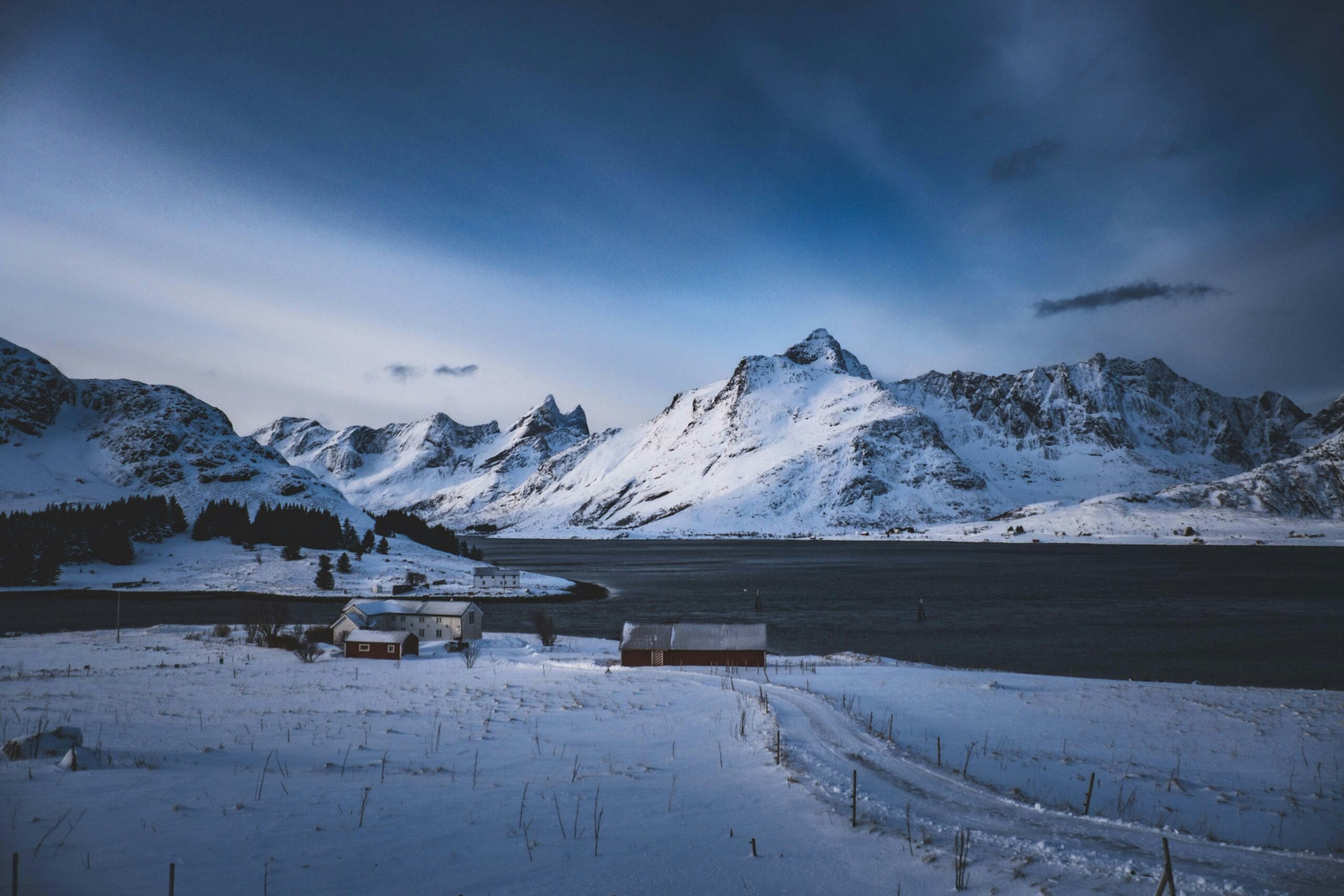
Nestled between the Lofoten and Vesterålen archipelagos, Trollfjord is incredibly narrow and dramatic, only 100 meters wide at its entrance with mountains rising steeply on either side. Its intimate scale and the feeling of entering a hidden kingdom make it profoundly special. The name “Trollfjord” hints at the mythical quality of its rugged, imposing landscape.
11. Fjordland National Park, Chile
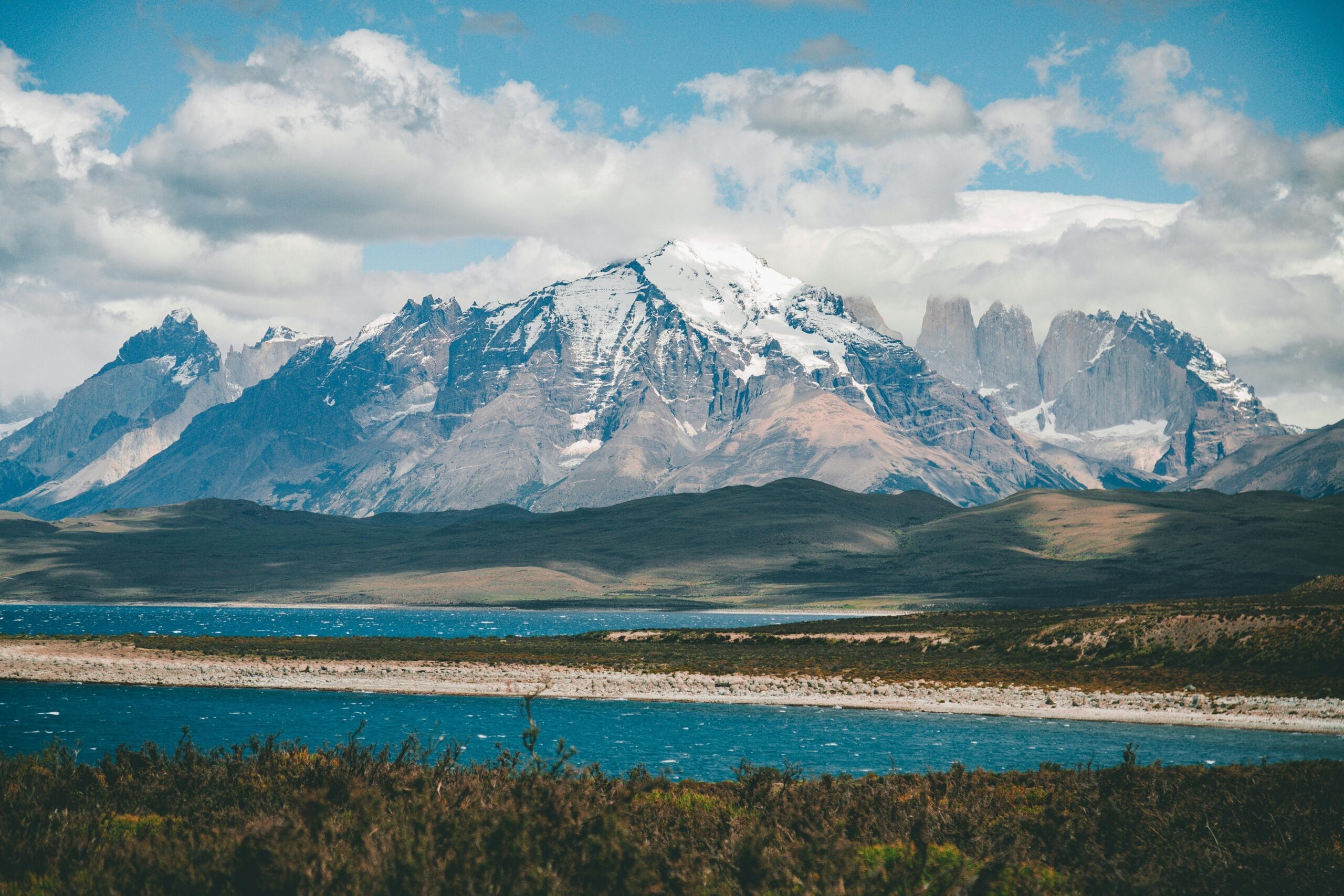
While often overshadowed by its Norwegian counterparts, Chile’s Fjordland National Park in Patagonia offers a raw, remote, and equally stunning fjord experience. This vast region is a labyrinth of interconnected fjords and channels, carved by ancient glaciers, and lined with dense temperate rainforests. It’s a land of pristine wilderness, towering peaks, and calving glaciers, with a rugged beauty all its own.
12. Tracy Arm Fjord, Alaska, USA
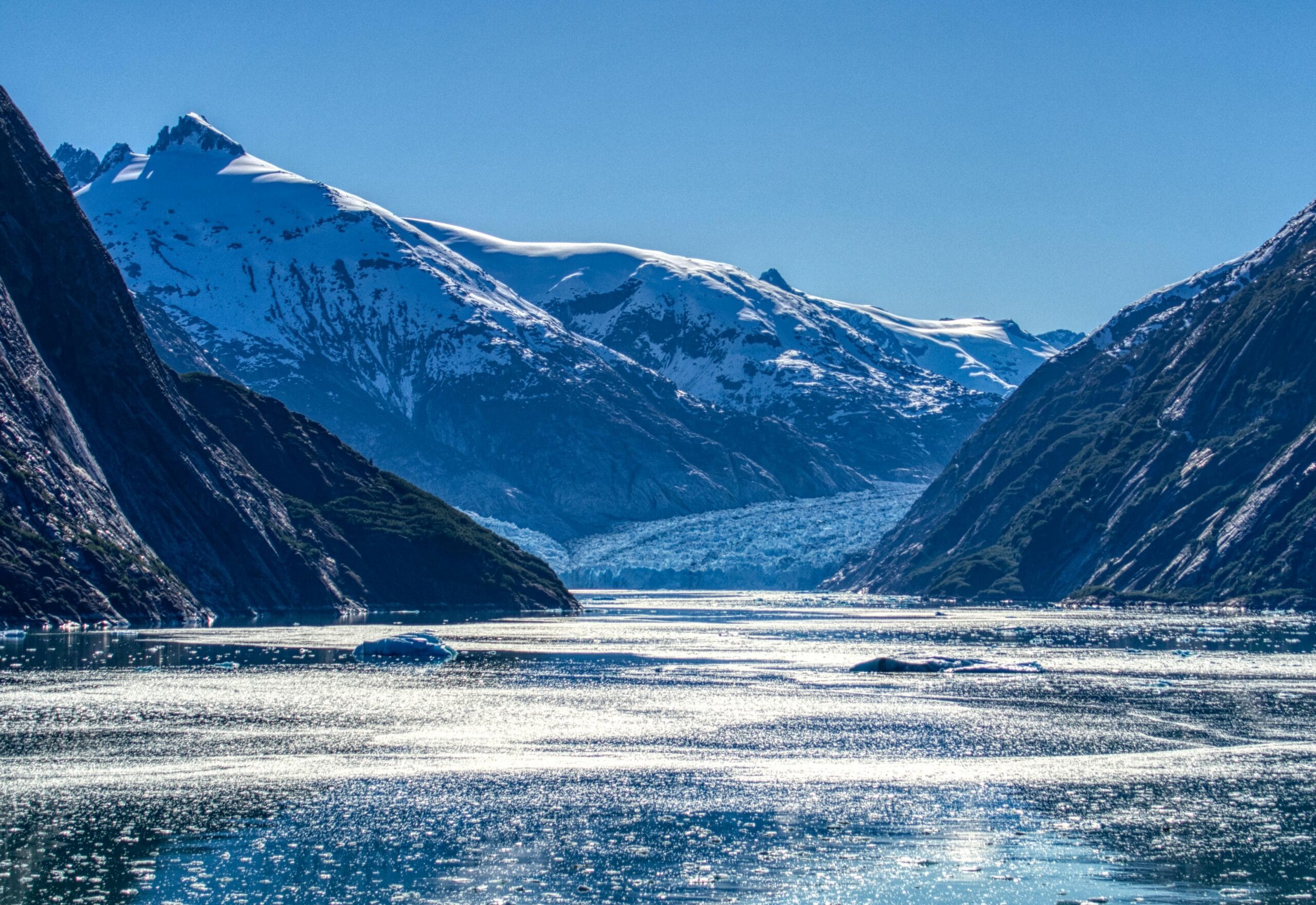
A jewel of Alaska’s Inside Passage, Tracy Arm Fjord is a spectacular 48-kilometer-long passage that leads to the twin Sawyer Glaciers. As you cruise through its narrow, deep-blue waters, you’ll be surrounded by sheer granite walls, cascading waterfalls, and floating icebergs. Keep an eye out for harbor seals lounging on ice floes, humpback whales, and black bears on the shoreline.
Essential Travel Tips for Your Fjord Adventure
Exploring fjords offers a truly unique travel experience. Here are some general tips to make your journey smoother and more enjoyable:
- Best Time to Visit: Generally, late spring to early autumn (May to September) offers the best weather and longest daylight hours. Waterfalls are most voluminous in spring due to snowmelt.
- Dress in Layers: Weather in fjord regions can change rapidly. Bring waterproof and windproof outer layers, even in summer.
- Choose Your Mode of Exploration:
- Boat Cruises: The most popular way to see the grandeur from the water. Options range from large ferries to smaller, more intimate rib boats.
- Kayaking/Canoeing: For an active and immersive experience, getting up close and personal with the water and cliffs.
- Hiking: Many fjords offer incredible trails with panoramic views from above.
- Driving: Scenic drives along fjord roads provide stunning perspectives, often including viewpoints.
- Book in Advance: Especially for popular cruises, accommodations, and guided tours during peak season.
- Respect Nature: Fjords are pristine environments. Stick to marked trails, dispose of waste properly, and maintain a respectful distance from wildlife.
- Camera Ready: You’ll want to capture every moment. Bring extra batteries and memory cards!
Ready to Be Breathed Away?
From the serene stillness of New Zealand’s fiords to the dramatic Arctic landscapes of Greenland and Norway’s iconic waterways, these top 12 fjords represent the pinnacle of natural grandeur. Each offers a distinct journey into geological time and breathtaking beauty, promising memories that will last a lifetime. So, pack your bags, prepare your camera, and get ready to witness some of the most awe-inspiring landscapes our planet has to offer.
Which fjord will you explore first? Let the adventure begin!